

Houston doesn’t have a summer. It has an extended heat emergency that runs from May through October. Average high temperatures above 95°F, humidity that regularly breaks 80%, and overnight lows that barely dip below 75°F this is the operating environment your commercial refrigeration equipment lives in. And it’s slowly killing it. Here’s exactly what Houston’s climate does to commercial refrigeration equipment, and what you can do about it.
Houston Climate: The Numbers Your Equipment Faces
Let’s ground this in data. Houston’s average summer high temperature hovers around 95–97°F between June and August. Humidity averages 75–85% during morning hours and rarely drops below 55% even in the afternoon. The heat index what it actually feels like routinely exceeds 105°F.
Most commercial refrigeration equipment is rated for ambient operating temperatures of 55–95°F. Your walk-in cooler compressor running in a non-climate-controlled back room is operating at or above its design limit for four to five months every year. This isn’t an edge case it’s Houston’s normal.
How Ambient Heat Increases Compressor Workload
Refrigeration works by moving heat from inside the cabinet to the outside environment. The higher the outside temperature, the harder the compressor must work to push that heat out. In a 70°F kitchen, your refrigerator compressor might run 50% of the time. In a 100°F environment, that same compressor may run 80–90% of the time or continuously.
Continuous operation accelerates wear on every moving component: compressor valves, fan motor bearings, and electrical contactors. Equipment that would last 12–15 years in a Minneapolis restaurant may need a compressor replacement at year 6 or 7 in a Houston operation. The math is straightforward: more hours of operation equals more wear.
Additionally, when condensing pressure rises in hot ambient conditions, refrigerant efficiency drops. The system has to circulate more refrigerant to achieve the same cooling effect, straining every component in the circuit.
How Humidity Causes Condenser Coil Corrosion
Houston’s persistent humidity creates a corrosive environment for the aluminum fins and copper tubing in condenser coils. Moisture accelerates formicary corrosion a type of pitting corrosion specific to copper refrigerant lines. Over time, this creates microscopic leaks that are difficult to detect and expensive to repair.
Condenser coils also accumulate particulates faster in humid environments. Dust and grease bond to moist coil surfaces more aggressively than in dry climates. A coil that might go 90 days between cleanings in Phoenix may need attention every 30–45 days in Houston.
For walk-in units with outdoor condensers, the combination of rain, humidity, and temperature cycling causes accelerated oxidation of electrical connections and cabinet seams. Annual inspection of outdoor components is not optional it’s essential.
Summer Maintenance Tips for Houston Operators
Increase Condenser Cleaning Frequency
During summer months (May–September), increase your condenser coil cleaning schedule. If you’re currently cleaning quarterly, move to every 6 weeks during peak heat. Clean coils can reduce compressor workload by 15–20% a meaningful difference when your equipment is already running near its limits.
Check Ambient Temperature Around Equipment
Walk through your kitchen and storage areas on a hot afternoon and note the temperature near each piece of refrigeration equipment. If the space exceeds 90°F, you have a problem. Solutions include adding ventilation, rerouting hot exhaust from cooking equipment away from refrigeration units, and ensuring adequate clearance around condensers (minimum 6 inches; more is better).
Inspect Door Gaskets Before Summer
Warm, humid air infiltrating through a failed door gasket is exponentially more damaging in summer than in winter. The amount of moisture and heat a failed gasket allows in during Houston summer can overwhelm a refrigeration system completely. Inspect all gaskets in April before the heat hits and replace anything that shows wear.
Consider Water-Cooled or Remote Condenser Systems
If you’re repeatedly dealing with summer heat-related breakdowns on air-cooled equipment, it may be time to consider water-cooled refrigeration or remote condenser systems. These move the heat rejection process away from the hot kitchen environment entirely. The upfront investment is higher, but operating costs and repair frequency often favor this configuration in Houston’s climate.
Schedule a Pre-Summer Inspection
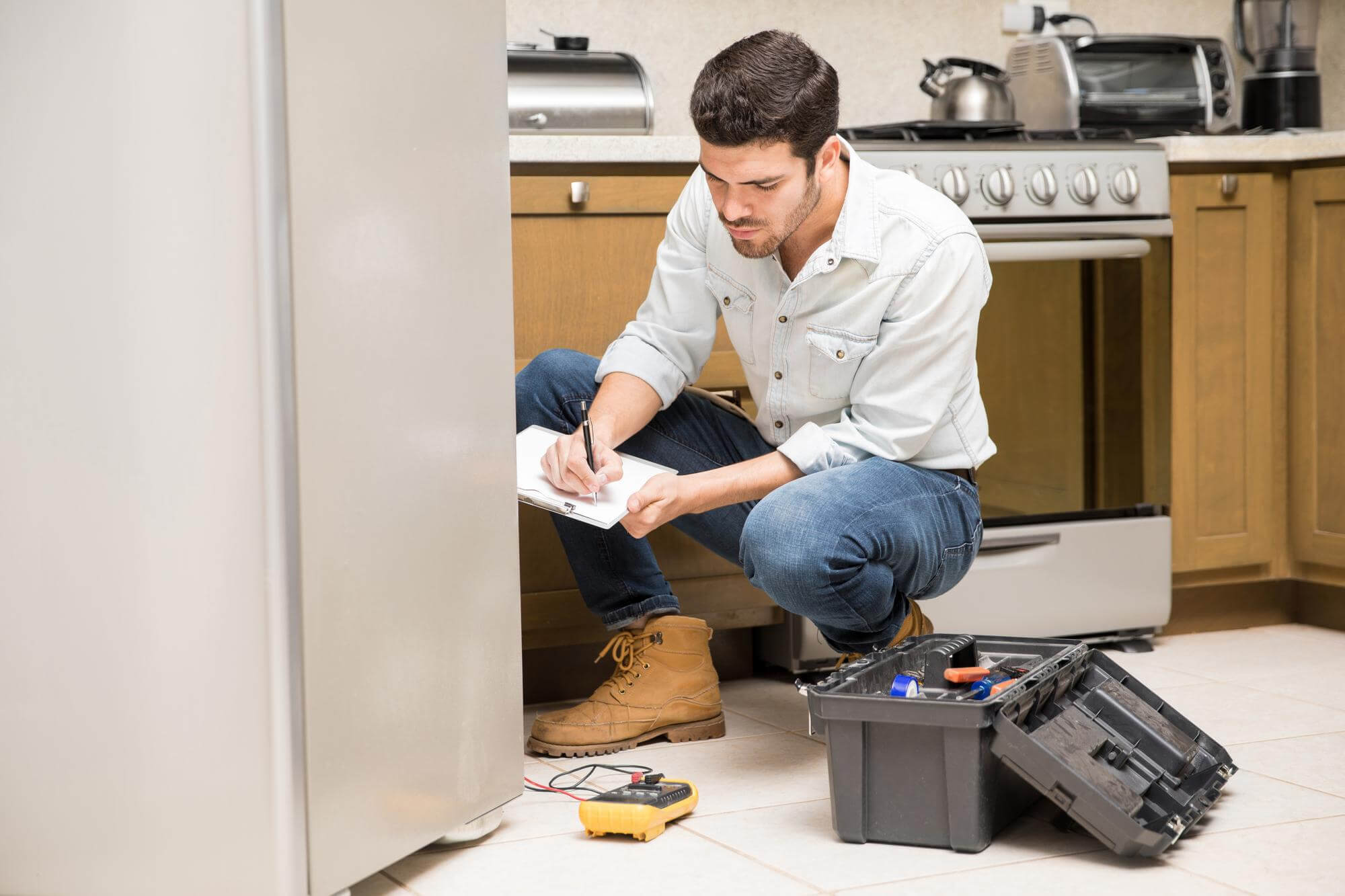
The best insurance against a summer breakdown is a professional inspection in April or early May, before peak heat arrives. A technician can check refrigerant charge, clean coils, test electrical components under load, and flag anything that’s likely to fail in the coming months.
Cool Results Summer Tune-Up Special
Cool Results offers a Houston Summer Readiness inspection specifically designed to prepare your commercial refrigeration for the brutal months ahead. Our technicians will clean condenser coils, check refrigerant levels, inspect door gaskets, test compressor operation, and provide a written condition report. This single visit prevents the majority of summer emergency calls we see.
Ask about our summer tune-up special available for limited slots each spring. Serving the Houston metro area including The Woodlands, Sugar Land, Katy, Pearland, Pasadena, and the Heights. Call Cool Results today to schedule your pre-summer inspection.