
Opening a restaurant in Houston is exciting, but it’s also one of the most equipment-intensive businesses you can launch. While menus and branding get most of the attention, refrigeration planning is often where new restaurant owners make costly mistakes.
In reality, your kitchen cannot function without properly planned Commercial Refrigeration Houston systems. From health inspections to daily operations, refrigeration and ice equipment directly affect food safety, efficiency, and long-term profitability.
This 2026 startup checklist walks Houston restaurant owners through exactly what refrigeration equipment they need, how to size it correctly, and the hidden costs many operators overlook.
Why Refrigeration Planning Comes First (Not Last)
Many new operators treat refrigeration as a final purchase after construction. That approach leads to:
- Failed inspections
- Kitchen redesign costs
- Power capacity issues
- Equipment overheating
- Workflow inefficiencies
Successful restaurants start with Commercial Refrigeration Houston planning early, often during layout design.
Refrigeration determines kitchen flow, storage capacity, and compliance readiness.
Required Equipment for Different Cuisines
Not every restaurant needs the same refrigeration setup. Equipment requirements vary significantly depending on cuisine type.
Fast Casual / QSR
Typical needs include:
- Reach-in refrigerators
- Prep tables with cold wells
- Undercounter coolers
- Ice machines for beverages
These operations rely heavily on efficient Houston restaurant refrigeration layouts for speed.
Korean BBQ/Grill Concepts
(High-volume protein storage)
- Large walk-in coolers
- Dedicated meat storage freezers
- Marinade prep refrigeration
- High-capacity ice machines
Protein-heavy menus demand robust Commercial Refrigeration Houston capacity to maintain food safety.
Cafés & Beverage Concepts
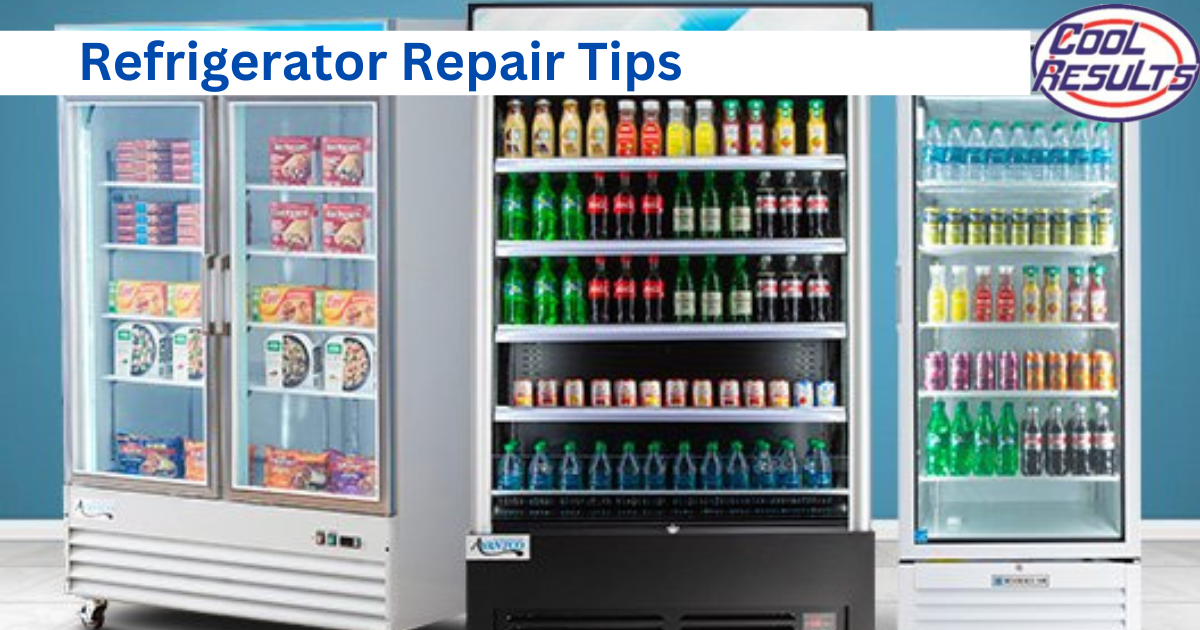
- Display refrigerators
- Milk refrigeration stations
- Ice machines (high daily demand)
- Small backup freezers
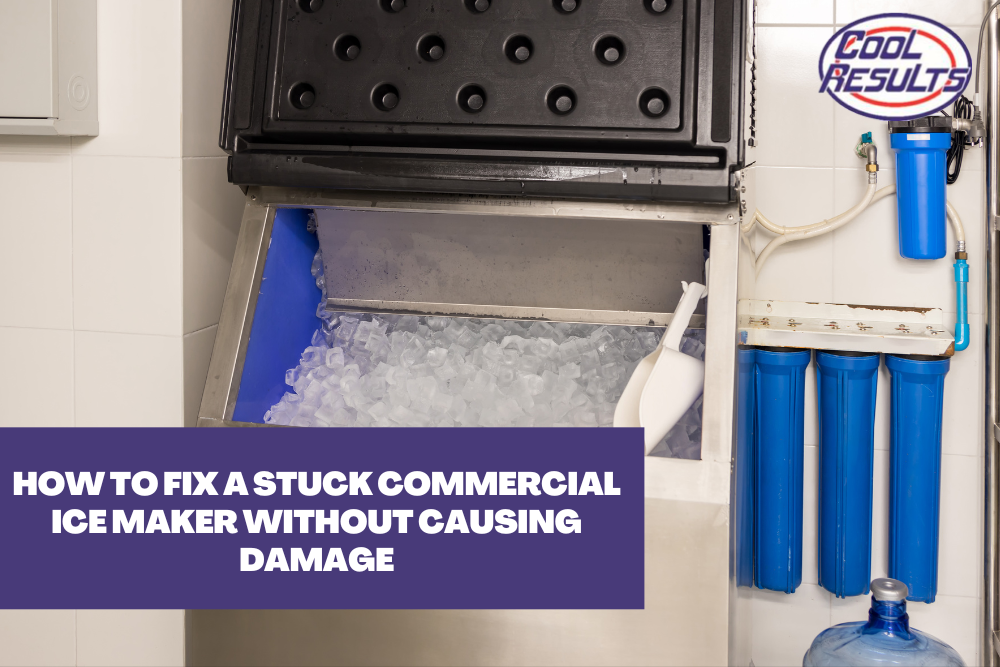
Ice production often becomes the limiting factor, making ice machine requirements Houston planning critical.
Full-Service Restaurants
- Walk-in cooler + walk-in freezer
- Line refrigerators
- Dessert refrigeration
- Bar refrigeration systems
A comprehensive new restaurant refrigeration guide should account for peak service loads, not average usage.
How to Size Freezers, Coolers, and Ice Machines Correctly
Sizing mistakes are among the most expensive startup errors.
Walk-In Coolers
General rule:
- 1.5–2 sq ft refrigeration per seat (minimum estimate)
Under-sizing forces frequent deliveries and creates temperature instability, a common issue seen in commercial refrigeration Houston service calls.
Freezers
Consider:
- Protein storage volume
- Delivery frequency
- Menu complexity
Proper commercial freezer installation prevents overcrowding, which reduces airflow efficiency.
Ice Machines
Ice demand depends on:
- Drink volume
- Cocktail programs
- Climate (Houston increases demand significantly)
Typical estimates:
- 1.5–2 lbs of ice per customer daily
Meeting ice machine requirements Houston standards ensures consistent service during peak hours.
Restaurants rarely fail because they bought too much refrigeration; they fail because they bought too little.
Compliance & Health Inspection Refrigeration Rules
Houston health inspections heavily evaluate refrigeration performance.
Key requirements include:
- Holding temperatures below 41°F
- Proper food separation
- Accurate thermometers
- NSF-certified equipment
- Adequate cold storage capacity
Improper planning leads to inspection delays, a frequent issue in new commercial refrigeration Houston installations.
Inspectors also check airflow clearance and accessibility for cleaning.
Hidden Startup Refrigeration Costs Most Owners Miss
Many budgets account only for equipment purchase, not total ownership cost.
Hidden expenses include:
- Electrical upgrades
- Ventilation improvements
- Floor reinforcement
- Drain line installation
- Delivery and rigging fees
- Startup calibration
These overlooked costs often increase Houston restaurant refrigeration budgets by 20–40%.
Maintenance Plans for New Restaurants (Start Day One)
New equipment still needs maintenance.
Preventive maintenance reduces:
- Compressor failure
- Energy waste
- Emergency shutdowns
- Warranty disputes
Recommended schedule:
- Quarterly inspections
- Coil cleaning
- Refrigerant checks
- Ice machine sanitation
Proactive servicing keeps commercial refrigeration Houston systems operating efficiently from the first year.
Layout Planning: The Overlooked Success Factor
Proper equipment placement improves:
- Staff workflow
- Cooling efficiency
- Energy usage
- Equipment lifespan
Avoid:
- Placing refrigeration beside fryers
- Blocking ventilation clearance
- Overcrowding prep areas
Good layout design reduces long-term commercial refrigeration. Houston repair costs dramatically.
Common Startup Refrigeration Mistakes
New restaurant owners often:
- Underestimate storage needs
- Choose residential-grade equipment
- Ignore ventilation requirements
- Install insufficient ice production
- Skip maintenance planning
Each mistake increases downtime risk and operating expenses.
Following a structured restaurant equipment checklist prevents these issues before opening day.
Your 2026 Restaurant Refrigeration Checklist
Before opening, confirm:
Walk-in cooler properly sized
Freezer capacity meets menu demand
Ice machine sized for peak volume
Equipment meets inspection standards
Ventilation supports refrigeration airflow
Maintenance plan scheduled
Backup refrigeration strategy considered
This checklist ensures your commercial refrigeration Houston setup supports growth instead of limiting it.
Why Professional Planning Matters
Experienced refrigeration specialists understand:
- Houston climate challenges
- Health department expectations
- Kitchen workflow optimization
- Long-term equipment performance
Working with professionals early prevents expensive retrofits later, especially when planning commercial freezer installation and ice systems.
Final Thoughts
Launching a restaurant in Houston requires more than great food; it requires infrastructure that keeps operations stable every single day. Refrigeration and ice systems are the backbone of food safety, efficiency, and customer experience.
A properly designed commercial refrigeration Houston system protects inventory, supports inspections, and reduces unexpected costs during your most critical first year.
If you’re opening a restaurant in 2026 and want expert guidance on refrigeration planning, installation, or maintenance:
Get expert startup support here
Because the right refrigeration setup doesn’t just keep food cold, it keeps your business running.