
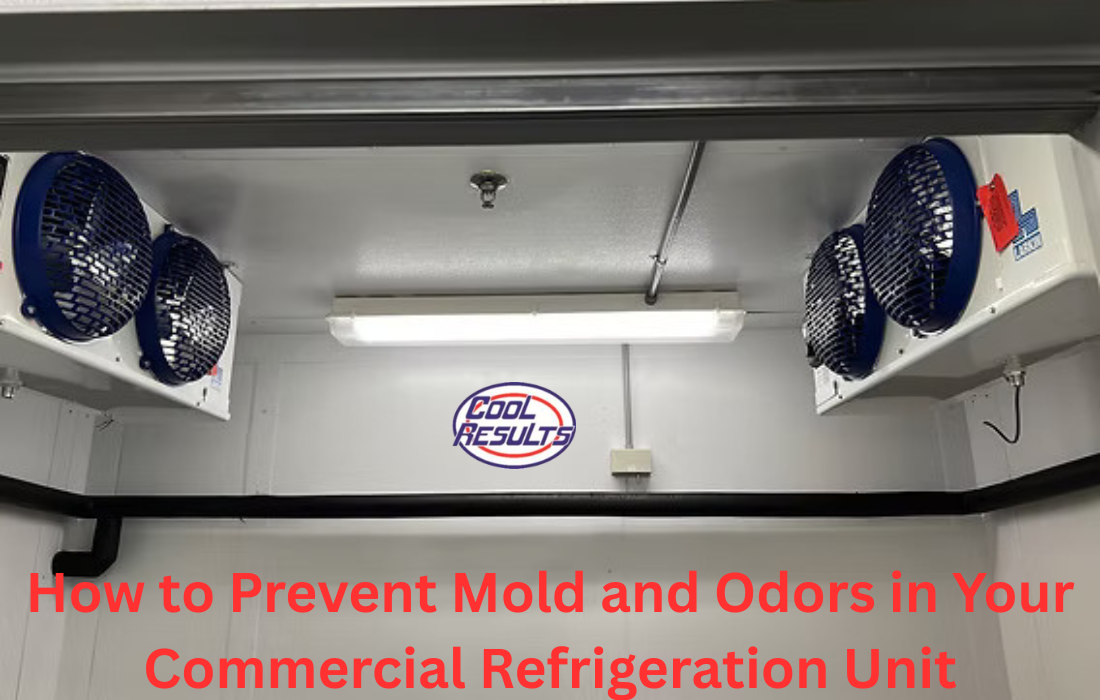
Few things are worse for a restaurant, café, or grocery store than opening a cooler to a musty smell or, worse, spotting mold. Beyond being unpleasant, mold growth in your commercial fridge poses serious risks to food safety, health standards, and equipment performance.
The good news? With the right maintenance habits and cleaning schedule, you can completely prevent mold in commercial refrigerator systems and eliminate odors before they start.
Let’s explore the causes, prevention methods, and proven cleaning tips trusted by professionals to keep your refrigeration units fresh and compliant.
Why Mold and Odors Develop in Commercial Units
Before you tackle the problem, it helps to understand where it starts. Mold and odors thrive in environments that are:
- Warm: If your fridge door is opened frequently, moisture and warm air enter.
- Damp: Condensation and spills create the perfect breeding ground.
- Poorly ventilated: Limited airflow traps humidity inside.
- Unclean: Food residue and grease buildup feed mold spores.
Even a small lapse in maintenance can allow spores to multiply fast. Within 24-48 hours, unnoticed moisture inside your walk-in can lead to visible mold and a commercial fridge that smells bad.
So prevention begins with consistency and attention to detail.
Best Cleaning Agents and Frequency
The foundation of mold prevention in fridges is regular cleaning. A clear refrigerator cleaning schedule not only eliminates contaminants but also extends your unit’s lifespan.
Recommended Cleaning Frequency:
- Daily: Wipe down shelves, door gaskets, and handles with disinfectant.
- Weekly: Remove all items, clean interior walls and trays, check for expired food.
- Monthly: Inspect coils, drain lines, and fan vents for dust or blockages.
Effective Cleaning Agents:
- Mild Detergent + Warm Water – Perfect for daily wiping and general sanitation.
- Baking Soda Solution (1 tbsp per quart of water) – Neutralizes odors naturally.
- Vinegar Solution (50/50 water mix) – Kills up to 80% of mold spores safely.
- Commercial-Grade Sanitizers – For deep cleaning after spills or contamination.
Pro Tip: Avoid bleach near metal surfaces; it can corrode stainless steel parts and compromise the finish.
Following a structured refrigerator cleaning schedule ensures that mold doesn’t have a chance to take hold between inspections.
Protect your investment with professional maintenance and cleaning guidance from Cool Results. Book a Free Consultation
Drain Line Maintenance & Airflow Tips
Even if you clean regularly, hidden moisture can still cause trouble. One of the most overlooked areas is the drain line, the part responsible for removing condensation from your unit.
Drain Line Maintenance Steps:
- Locate the condensate pan and drain outlet.
- Use warm, soapy water or a mild vinegar solution to flush out debris.
- If necessary, use a pipe brush or flexible cleaner to clear buildup.
- Check that the pan isn’t overflowing or blocked by mold sludge.
Blocked drain lines are one of the top reasons for bad odors and moldy interiors.
Improve Airflow to Prevent Mold Growth:
- Don’t overload shelves; crowding prevents cold air from circulating evenly.
- Keep vents unobstructed to allow air to flow freely.
- Check that fans are clean and functional.
- Ensure the door seals tightly; warm air leaks cause condensation.
With proper drainage and ventilation, you can significantly prevent mold in commercial refrigerator units while keeping the temperature consistent.
How to Detect and Eliminate Hidden Mold
Mold isn’t always visible on the surface. Sometimes it hides behind panels, under shelves, or inside fan housing. If your commercial fridge smells bad, even after cleaning, it’s likely that hidden spores are spreading behind the scenes.
Signs of Hidden Mold:
- Persistent musty or earthy odor
- Slimy residue near gaskets or drain trays
- Visible discoloration around seams or insulation
- Water spots or condensation buildup
How to Remove Hidden Mold Safely:
- Unplug the Unit: Always disconnect power before cleaning internal components.
- Remove Shelves and Panels: Access hidden corners where condensation forms.
- Use Non-Toxic Cleaners: White vinegar or hydrogen peroxide works well on mold without damaging parts.
- Dry Thoroughly: Mold thrives in moisture; ensure every surface is bone-dry before restarting.
- Install Air Filters or Dehumidifiers: These help control internal humidity, reducing future growth.
Professional maintenance teams like Cool Results use specialized cleaners and vacuums to eliminate deep-seated mold that DIY methods might miss.
When Odors Indicate a Mechanical Problem
Sometimes the smell isn’t from food or mold, it’s from the machine itself. A commercial fridge that smells bad could signal:
- Burnt wiring or electrical issues
- Overheating compressor
- Clogged condensate pan
- Defective fan motor
In these cases, no amount of scrubbing will help. Persistent odors often indicate a deeper mechanical or airflow problem that affects temperature and moisture control.
If your fridge continues to smell after thorough cleaning, schedule a professional inspection. Faulty components can trap condensation, causing recurring mold and odor problems.
Don’t let bad smells hurt your business. Get professional cleaning and performance checks for your refrigeration system. Schedule a Visit
Extra Tips to Prevent Mold and Odors Long-Term
Keeping your unit fresh isn’t a one-time task, it’s an ongoing process. Here’s how to make sure your efforts last:
Temperature Management
- Keep the internal temperature between 34°F–40°F. Anything higher promotes mold growth.
Avoid Plastic Liners
- They trap moisture and block airflow. Use open wire shelving for even cooling.
Clean Door Gaskets
- Wipe seals weekly with a mild detergent to prevent mold in crevices.
Store Food Properly
- Use sealed containers. Spoiled food spreads bacteria and odor fast.
Schedule Quarterly Maintenance
- Professional cleanings ensure that drain pans, coils, and fans stay in top condition.
A consistent maintenance routine ensures you’ll never have to deal with surprise odors, or the embarrassment of a health inspection failure.
Why Professional Cleaning Matters
DIY cleaning is a good start, but commercial-grade units demand expert care. Professionals have the equipment to clean coils, disinfect deep surfaces, and detect hidden mold without dismantling the entire system.
When you hire a commercial refrigeration specialist, you’re not just preventing mold; you’re protecting your investment, reducing energy consumption, and ensuring consistent performance year-round.
At Cool Results, our technicians specialize in:
- Cleaning walk-in coolers and commercial units
- Drain line sanitization
- Coil and fan cleaning
- Airflow testing and temperature calibration
With certified tools and years of experience, we make sure your unit runs fresh, clean, and energy-efficient.
Conclusion
A clean, odor-free refrigeration system isn’t just about appearance; it’s about performance, safety, and reputation. By following a consistent cleaning plan and partnering with experts, you can prevent mold in commercial refrigerator units permanently.
If you’re managing a busy restaurant, grocery store, or café, a fresh-smelling cooler reflects professionalism and care.
Let Cool Results help you maintain that standard through deep cleaning, routine maintenance, and expert mold prevention strategies.
👉 Visit Cool-Results.com today to schedule your maintenance and keep your refrigeration system running clean, safe, and efficient.
FAQs About Preventing Mold in Commercial Refrigerators
Q1. How do I prevent mold in commercial refrigerator units?
Regular cleaning, moisture control, and proper airflow are key. Stick to a consistent refrigerator cleaning schedule and clean drain lines monthly.
Q2. My commercial fridge smells bad even after cleaning, why?
Persistent odors often indicate hidden mold or a mechanical issue like clogged drains or damaged fans. Professional inspection is recommended.
Q3. What’s the best cleaning agent for mold prevention in fridges?
A mix of baking soda or vinegar with warm water is safe and effective. Avoid bleach near metal components.
Q4. How often should I clean my walk-in coolers?
Weekly wipe-downs and monthly deep cleans are ideal. Quarterly professional servicing keeps mold and odors from returning.
Q5. Can poor airflow cause mold growth?
Absolutely. Blocked vents and overfilled shelves trap humidity, creating ideal conditions for mold and bacteria.
